
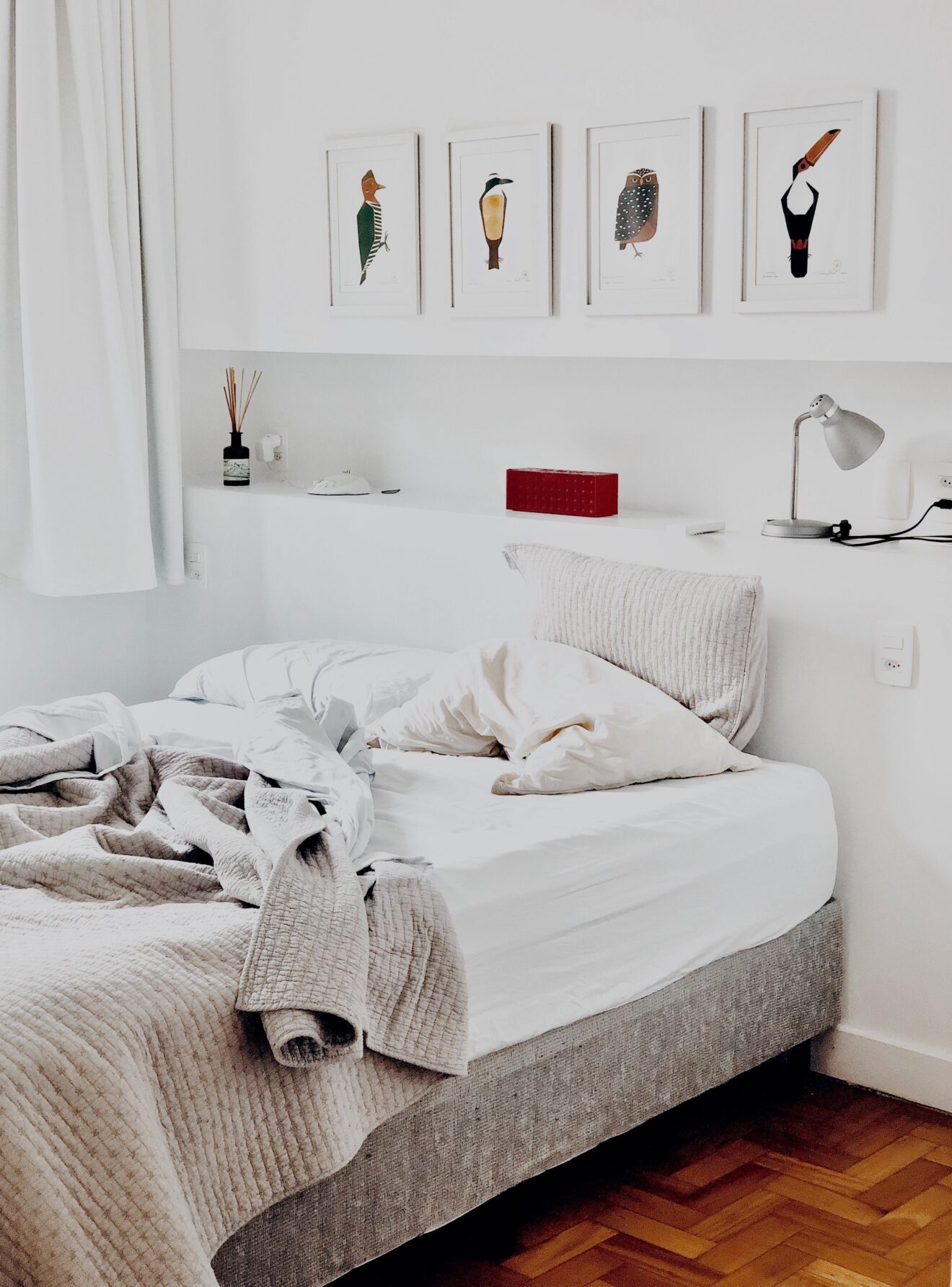

We all need a good night’s sleep to function well the next day. And what better place to lose ourselves in snooze-land than in a relaxing sanctuary meant to promote deep rest? Your bedroom should be a sacred space where you can unwind, de-stress, and recharge your batteries. If you’re looking for inspiration on how to decorate your bedroom for ultimate relaxation, then you’re in luck! In this blog post, we’ll be sharing some tips on how to create a serene sleep oasis with bedding choices, lighting, and accessories that are sure to make you feel like you’re floating on a cloud of peace.
Bedding Choices:
One of the most important elements to consider when creating a relaxing sleep environment is the bedding. You want to choose comfortable linens that will wrap you up and make you feel cozy. A helpful tip is to consider the material of the linens. Soft, breathable materials like cotton or linen are good options to help you regulate your body temperature while you sleep, ensuring a comfortable night’s rest. And if you’re looking to add a pop of color to your bedroom, choose bedding in calming shades like light blue, lavender, or muted green.
Lighting:
Lighting plays a significant role in creating a relaxing atmosphere in your bedroom. You want to avoid harsh, bright lights that can be too stimulating, so opt for ambient lighting instead. Soft, warm light bulbs with yellow undertones can help create a cozy and inviting environment. For reading or task lighting, consider adjustable lamps with low-wattage bulbs, and add dimmer switches to help control the amount of light in your bedroom. Incorporating light-filtering window shades or curtains can also create a calming effect by diffusing natural light.
Accessories:
Accessorizing with the right decor is another way to create a peaceful and relaxing bedroom. The right accessories can bring a sense of balance to your space. Consider adding wall art that evokes a sense of calmness, such as nature-inspired prints or abstract pieces. You can also add decorative throw pillows in luxurious fabrics to your bed to create a plush and inviting look. Incorporating fresh flowers or potted plants can also introduce a natural element to your room, purifying the air while creating a peaceful ambiance.
Organization:
A cluttered space can inhibit relaxation, so organization is an important aspect to consider when creating a serene sanctuary. Keep your space tidy by decluttering and using storage solutions for items that don’t have a place. Consider a bedside table with drawers to keep essentials within reach while keeping your surfaces clear. Invest in practical storage solutions for your closet and dressers, and consider using decorative baskets or bins to store extra linens or small items. Keeping your space free of clutter can help promote relaxation in your bedroom.
Scent:
Incorporating a gentle scent into your bedroom can help create an optimal sleep environment. Fragrances like lavender, vanilla, or chamomile have calming properties that can help ease stress and promote relaxation. You can incorporate these scents with essential oils, scented candles, or even using a diffuser to disperse aromas throughout your space. The right scent can help create a peaceful atmosphere and lull you into a deep slumber.
Creating a serene sleep oasis is all about incorporating the right elements into your space that promote relaxation and tranquility. From bedding choices to lighting, accessories, organization, and aromatherapy, there are several ways to take your bedroom from a place to sleep to a sanctuary for calmness and deep rest. By following the tips we shared in this post, you’ll be well on your way to a restful and rejuvenating sleep oasis. Sweet dreams!
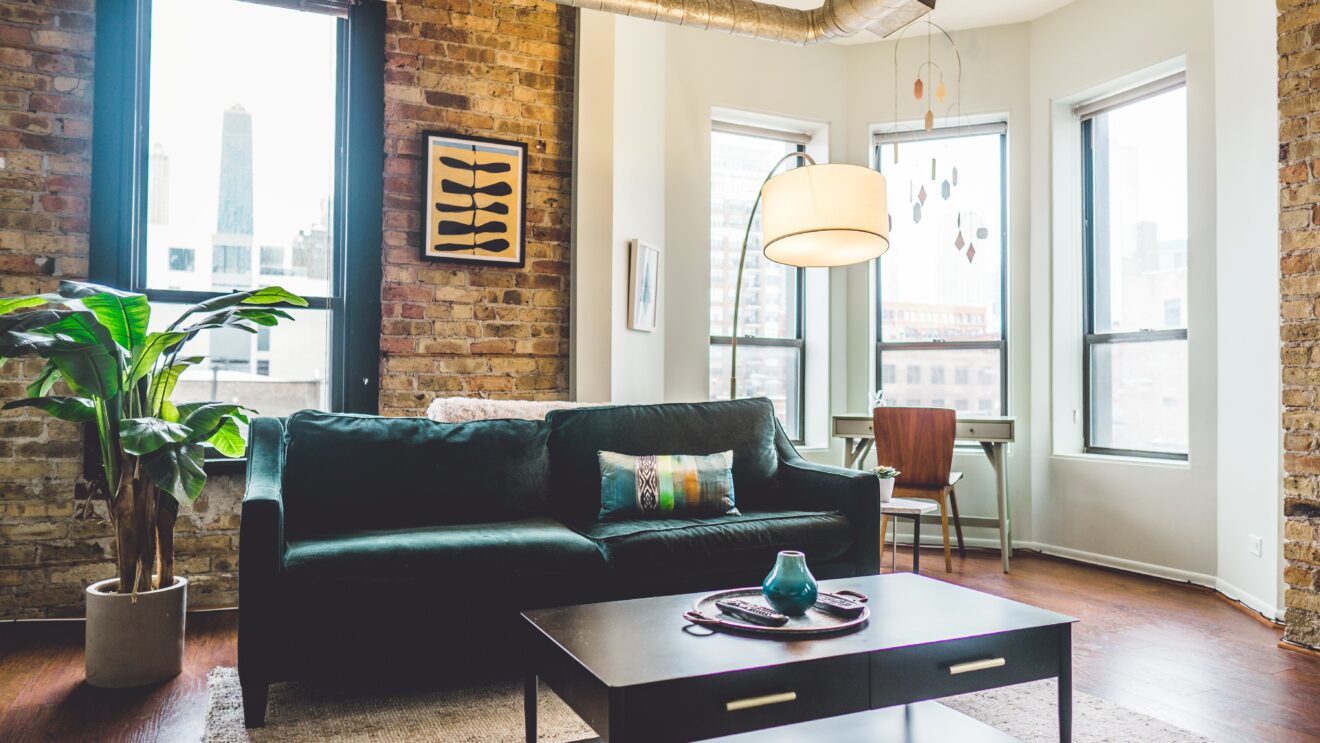
Is there anything better than a cozy living room on a chilly evening? With the right decor elements, furniture arrangement, and color schemes, you can create a truly inviting and stylish living room that will have everyone wanting to spend time there. This blog post is all about mastering living room decor, so you can turn your space into a warm and welcoming retreat.
Furniture Arrangement: The first step to creating an inviting living room is to think about furniture arrangement. If you have a larger living room, you can create a conversational area by placing two sofas facing each other and adding a coffee table in between. This will encourage people to sit and chat or play games. If you have a smaller living room, consider arranging your furniture in a U-shape around a focal point, such as a fireplace or large window. This will maximize your seating space while still providing a cozy feel to the room.
Color Schemes: The color scheme you choose for your living room will set the tone for the entire space. If you’re looking for a warm and cozy feel, consider using earthy colors such as browns, greens, and oranges. These colors can be achieved through paint, throw pillows, and decor accents such as rugs and curtains. Blues and grays can also be used for a more modern and subdued feel. As for accent colors, consider adding pops of brighter colors such as red or yellow to add a touch of personality to the space.
Lighting: Lighting is essential to creating a cozy and inviting living room. While overhead lighting is important, it can be harsh and uninviting. For a warm and cozy feel, consider using lamps and candles to create soft, ambient lighting. You can also add string lights or fairy lights to your living room for an added touch of charm and whimsy.
Decor Elements: Finally, let’s talk about decor elements. When it comes to decor, less is often more. Rather than cluttering your living room with too many decor accents, choose a few statement pieces that reflect your personal style. This could be a large piece of art, a unique coffee table, or a vintage rug. You can also add throw pillows and blankets to your sofas and chairs to create an inviting and cozy feel.
Greenery: Adding plants to your living room is a great way to liven up the space and add a touch of nature. Plants not only add texture and color to your space, but they also help to purify the air and promote a sense of calm and relaxation. Consider adding a few different types of plants, such as a fiddle leaf fig tree, a snake plant, or a collection of succulents.
Creating a stylish and inviting living room is all about finding the perfect balance between furniture arrangement, color schemes, and decor elements. With a few simple changes, you can transform your living room into a warm and welcoming retreat that everyone will love. So grab a cozy blanket, light some candles, and settle in for a night of relaxation in your beautiful, newly styled living room.
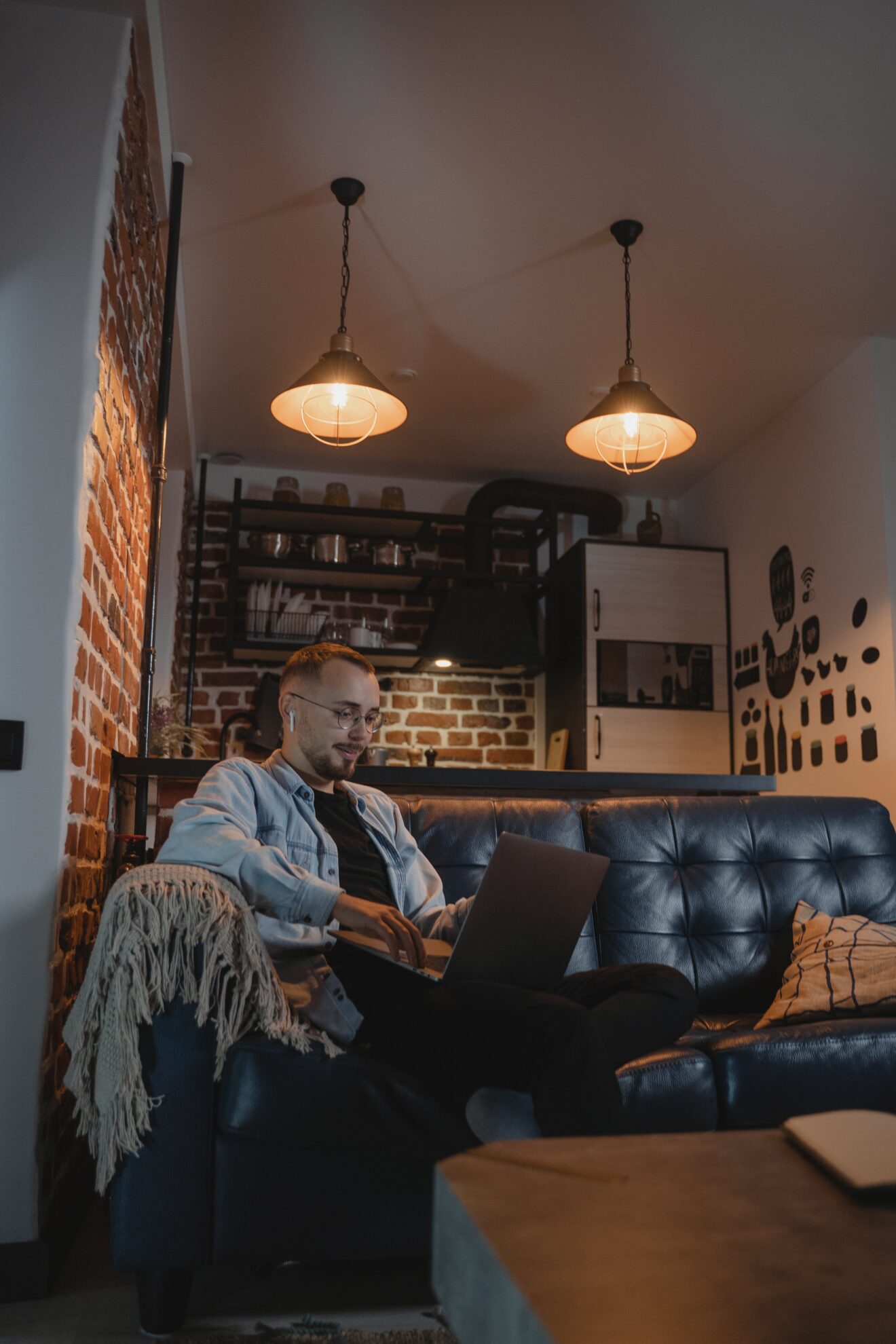
Working from home has become more and more common in our modern world. Hence, designing an efficient and attractive home office space is becoming increasingly important. Your home office should reflect your personality and be a space that is both functional and inspiring. So whether you work from home full-time, occasionally or just need an area to pay bills, we’ve rounded up our best tips and tricks to help you design the perfect home office space.
Desk and Chair:
The most important items of furniture in your home office are your desk and chair, as you’ll be spending most of your time seated. A quality desk that suits your work and style needs would not only improve your comfort but also your productivity. Pick a desk with ample space for your computer, a lamp, and other home office essentials. Equally important is your chair, pick a comfortable one that can support your back and allow you to sit for long hours without causing any discomfort.
Lighting:
Lighting plays a significant role in productivity and mood. A well-lit office is essential, and natural light is the best. Make sure you set your desk up near a window to take advantage of the natural light. If natural lighting is limited, invest in a quality desk lamp that ideally reduces eyestrain and promotes healthy light balance.
Accessorize:
Adding accessories to your home office can enhance your productivity. A calendar, a whiteboard, or a bulletin board would help keep you organized and focused. Placing photos, art, and greenery have been proven to increase happiness, creativity, and productivity. Consider using small shelf dividers or baskets to tidy away pens, paper clips, and other miscellaneous office items.
Storage:
An untidy office can decrease productivity and evoke negative feelings, so creating an organized space is crucial. If you’re tight on space, vertical storage is a great option. Alternatively, under-desk storage options could be used for paper or stationary filing. Invest in some filing cabinets, shelves, or storage boxes to keep everything in its place.
Colour Scheme:
Colour has a massive impact on our emotions and behaviours. Choosing a colour scheme that matches your personality and work style can enhance your productivity and mood. Depending on what feels best for you, pick a neutral, calming or energizing colour scheme. Use colour on walls, accessories, and artwork.
Your home office should be a reflection of your personality, design style, and work needs. A well-organized, stylish, and functional home office can enhance productivity and creativity while reducing stress and negative feelings. By following our design tips and ideas, you can create a workspace that is both stylish and functional. Let this be the year you perfect your home office and create a workspace that sparks inspiration and productivity.
If you’re looking to add some excitement and personality to your home decor, then mixing patterns and textures is the way to go! While it may seem daunting at first, with a little bit of practice and some expert tips, you can achieve a cohesive and visually interesting space that you’ll be proud to show off to your family and friends.
Start with a neutral base
The easiest way to mix patterns and textures is to start with a neutral base, such as beige or gray walls. This allows you to add in colors and prints without overwhelming the space. Once you have your neutral base, start by layering in different textures, such as a faux fur blanket or a jute rug.
Mix large and small-scaled prints
When mixing patterns, it’s important to consider the scale of each print. Mixing larger prints with smaller ones creates a balanced and cohesive look. For example, you could pair a large floral print with a small polka dot pattern on throw pillows or curtains.
Use a color scheme
Using a color scheme is key when mixing patterns and textures. Choose a main color and then add in accent colors that complement each other. For example, if your main color is blue, you could add in accents of green or yellow for a fun and fresh look.
Layer in textures
Texture is just as important as patterns when it comes to creating a visually interesting space. Mix in materials such as wood, metal, and woven fabrics to create depth and texture. Add a woven wall hanging or a wooden coffee table to your space to bring in some warmth and interest.
Mix patterns in different ways
Don’t be afraid to mix patterns in different ways throughout your space. Try pairing stripes with florals, plaid with polka dots, or even mixing different animal prints. As long as you use a consistent color scheme and balance the scales of each pattern, you can create a space that feels cohesive and visually interesting.
Mixing patterns and textures in your home decor can be a fun and exciting way to showcase your personality and add some unique charm to your space. With some simple tips and tricks, such as starting with a neutral base, mixing large and small-scaled prints, using a color scheme, layering in textures, and mixing patterns in different ways, you can create a beautiful and cohesive space that you’ll be proud to call home. So don’t be afraid to get creative and have some fun with your decor – the possibilities are endless!
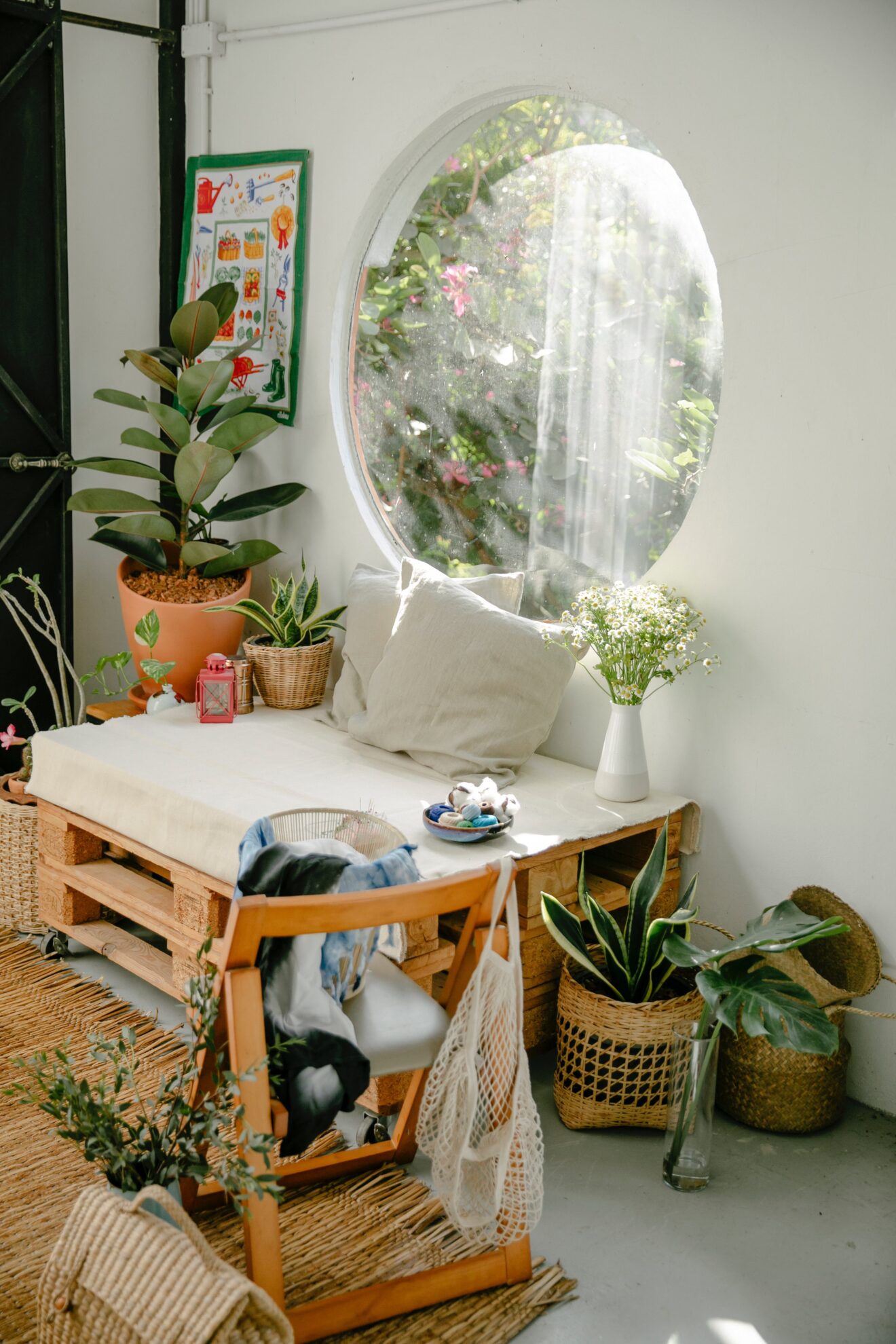
Indoor plants make a lovely addition to any space, and they’re not just for adding color and interest to a room. These little wonders are packed with health benefits and are scientifically proven to improve air quality, increase productivity, and reduce stress levels. Using indoor plants as decor is a great way to liven up your space, better your mood, and enhance your overall well-being. In this blog post, we’ll give you some tips for incorporating greenery into your home decor for a fresh and vibrant look.
Choose the right plant for your space
When selecting an indoor plant, it’s important to consider the lighting and temperature of the room. Some plants thrive in bright, indirect light while others prefer low to medium light. If your space receives a lot of natural light, consider adding a rubber plant, fiddle-leaf fig, or a trailing pothos. If your space doesn’t receive much natural light, the peace lily, snake plant, or ZZ plant will do just fine. These low-light plants are perfect for adding touches of greenery to bathrooms or bedrooms.
Create a statement piece
Using plants as statement pieces is a unique and creative way to decorate your room. Choose a large indoor tree like a fiddle-leaf fig or bird of paradise, and place it by a window or in a corner of the room where it can be seen. Not only will it act as a centerpiece, but it will also create a fresh and natural look in your space.
Plant species and their benefits
Aloe Vera is a great indoor plant option for those who are looking for something that is low-maintenance. Not only is it healthy and easy on the eye, but it has also been proven to significantly improve air quality. Another great plant is the Snake Plant, which emits oxygen during the night and purifies the air from common household toxins. And if you are already interested in aromatherapy, Lavender is a natural air purifier that smells divine!
Grouping plants
Grouping plants together is a great way to create more impact and add depth to your decor. Choose three to four plants of different sizes and textures, and place them together in a cluster. It creates a charming jungle-like effect, and it’s an easy way to turn a bland tabletop or windowsill into something beautiful.
Plant holders
You don’t need to have a lot of space to incorporate plants into your decor. There are so many ways to get creative with plant holders, from wall-mounted planters to hanging baskets and plant stands. A popular trend is to decorate empty walls with suspended plants, creating an illusion of a vertical garden. You can also use a small plant stand by your bedside or picking a few brightly colored planters to add some personality to your space.
Now that you’ve read these tips for decorating with indoor plants, you’re ready to liven up your space with some fresh greenery. Not only do indoor plants add some beautiful new colors and textures to your home, but they are beneficial for your health and wellness too. Remember that choosing the right plants for your space is essential, and don’t be afraid to get creative with different holders and placement ideas. Happy decorating!
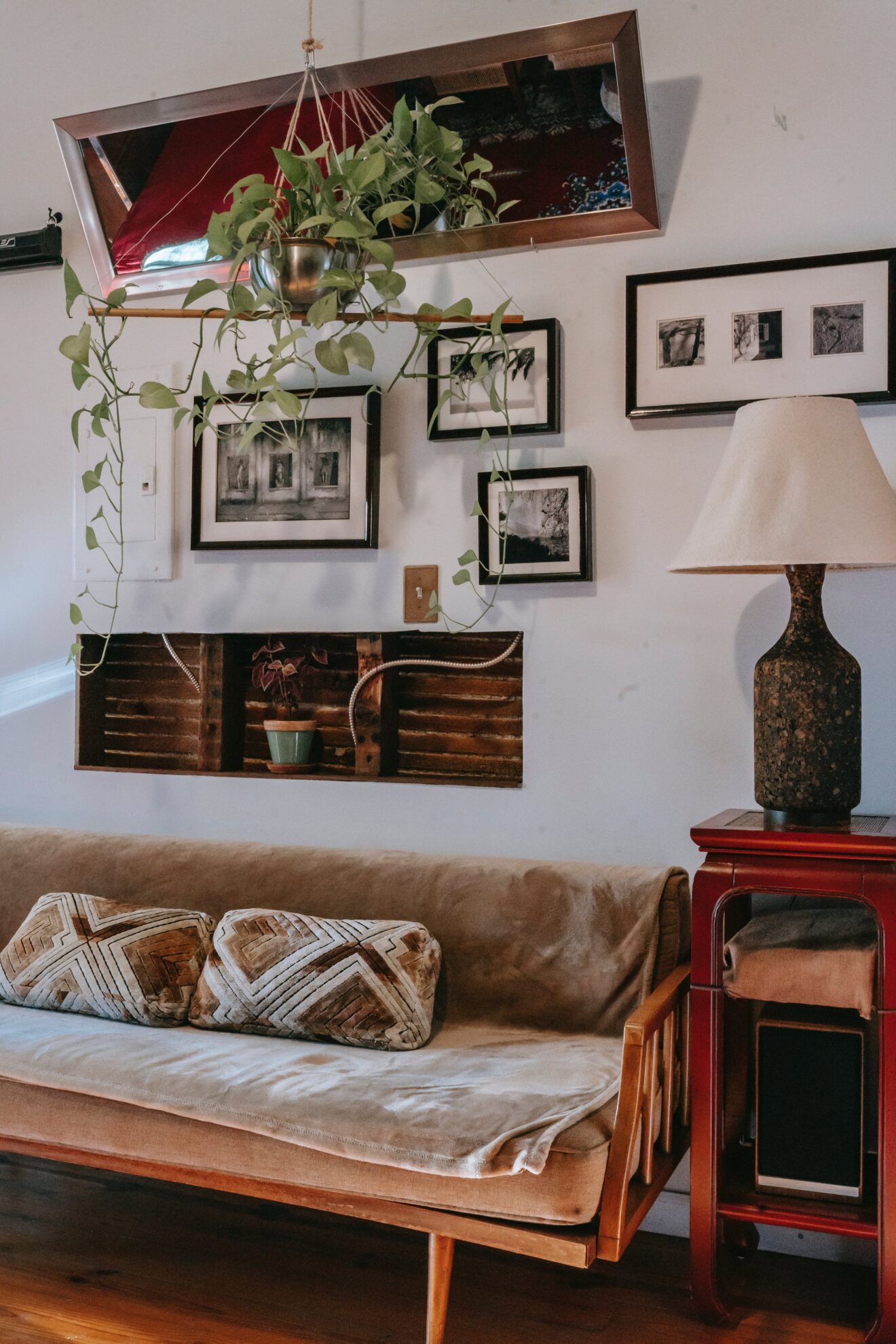
There’s no denying that interior design can be challenging, especially when it comes to blending vintage and modern decor. However, the art of mixing old and new pieces can result in a beautiful and unique style that reflects your personality and tastes. In this post, we will explore the ways you can blend vintage and modern elements in your home decor. Let’s get started!
Find Balance Between Vintage and Modern Elements:
The key to creating a cohesive blend of vintage and modern decor is balance. Don’t go overboard with just one style. Instead, choose a few statement pieces from each era and pair them together. For instance, you can incorporate a vintage sofa with modern throw pillows or a modern light fixture with vintage artwork. This way, you won’t sacrifice one style for the other.
Play with Colors:
Color is your playground when it comes to mixing vintage and modern decor. Pairing bold, saturated hues with more muted tones create balance and create a cohesive connection between the styles. If your furniture is modern, but your space needs a more vintage look, consider adding a colorful, floral patterned vintage rug that pops against the modern backdrop.
Use Vintage Accent Pieces:
Another easy way to blend vintage and modern is with unique accent pieces. These pieces can act as standouts that tie together modern and vintage elements. A vintage decorative mirror or a classic vintage lamp on a sleek modern side table will do the trick! Choosing wall decor or lamps made of vintage brass, iron, and other metals will instantly bring an antique feel to your modern space.
Combine Textures:
You can add vintage charm to any modern space by introducing textures typically associated with antique decor, such as wood or traditional fabrics like velvet. Layering different textures will add depth and dimension to your space. For instance, pairing a plush modern sofa with a vintage leather armchair or a chrome and glass coffee table with a vintage area rug creates an ambiance that is unique and inviting.
Don’t Be Afraid to be Bold:
Finally, mixing vintage and modern decor allows you to experiment with different styles to create a unique look. Don’t be afraid to be bold and mix things up! You can add an oversized industrial light fixture over an antique dining table, create a vintage-inspired photo gallery wall using modern frames or even add a touch of whimsy with a vintage knick-knack on a modern bookshelf.
In conclusion, combining vintage and modern is an art that requires balance, color, textures, unique accents, and a dash of creativity. In this way, you get a cohesive look that best reflects your unique style and character. Remember, decorating is a personal expression of your style, so have fun and experiment until you create that perfect blend of vintage and modern that you desire. Happy decorating!
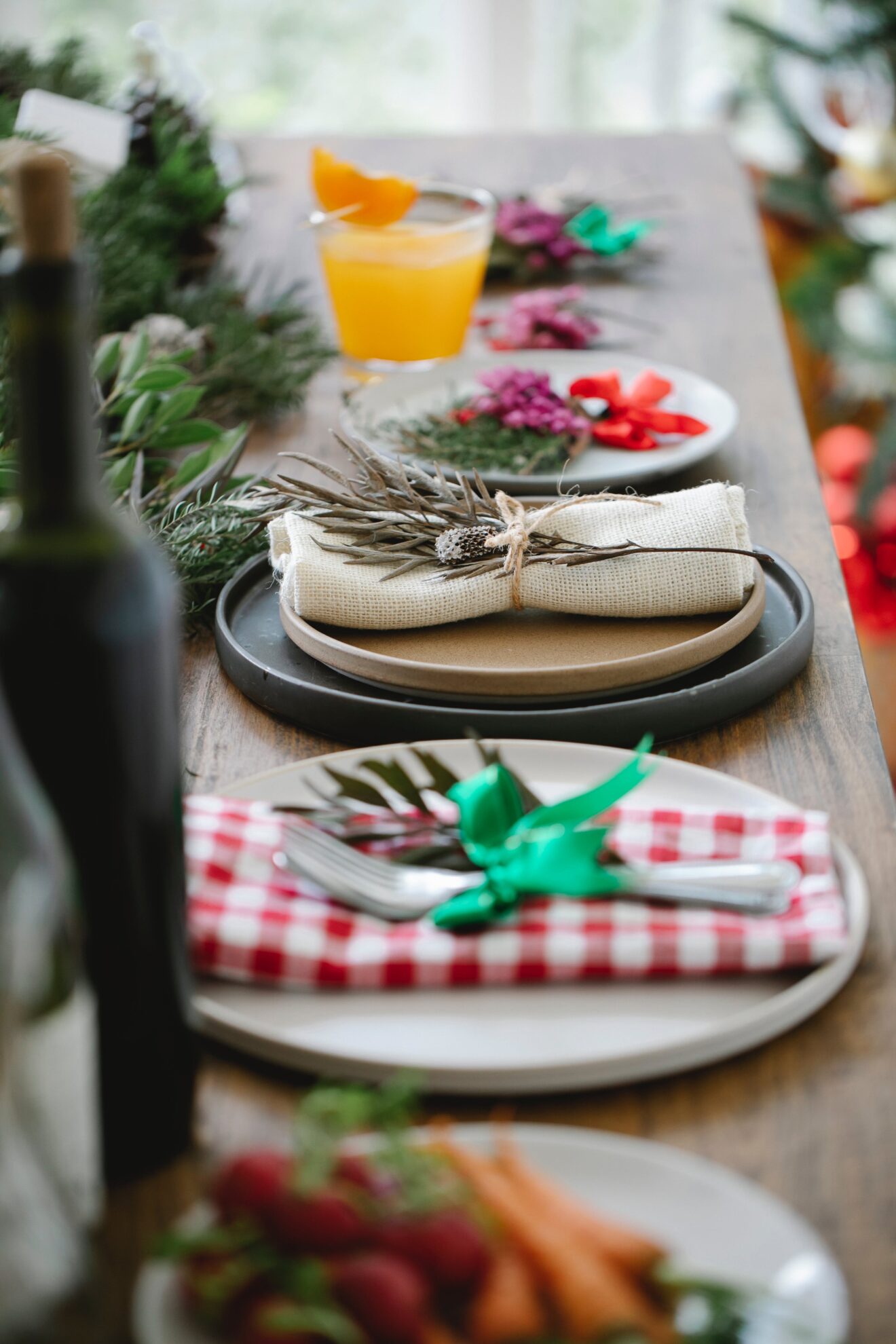

Are you tired of looking at the same old decor in your home? Are you ready to switch things up and give your space a fresh, new look? Look no further than seasonal decor! By incorporating seasonal elements into your home, you can transform it throughout the year and give it a new feel every few months. In this blog, we will provide you with seasonal decor inspiration and tips for each time of the year to keep your home feeling fresh and exciting all year round.
Spring: Spring is the perfect time to bring new life into your home after the long winter months. Embrace the bright and cheerful colors of springtime by adding floral arrangements, pastel-colored throw pillows, and light, airy curtains. You could also bring in natural elements such as fresh flowers, potted plants, and rustic wooden decor to create a cozy and inviting atmosphere.
Summer: When it comes to summer decor, think light, bright, and breezy. Switch out heavy drapes for sheer curtains to let in natural light and breeze. Add pops of color with bright-colored throw pillows and outdoor-inspired decor, such as seashells or starfish. Create an outdoor oasis by turning your balcony, patio, or backyard into a sanctuary for relaxing and entertaining.
Fall: Embrace the cozy vibes of fall by incorporating warm, autumnal colors such as burnt orange, deep red, and golden yellow. Add cozy throws and plush rugs to create a warm and inviting atmosphere. Use fall leaves as inspiration for your decor by incorporating wall art, table centerpieces, and accessories such as vases and candles. Don’t forget to incorporate pumpkin and apple scents into your home with candles and diffusers.
Winter: Create a cozy winter wonderland in your home by incorporating warm textures such as faux fur blankets and cozy area rugs. Use a neutral color palette with pops of silver and white to create a winter-themed atmosphere. Add soft lighting with candles and twinkle lights to create a relaxing and cozy feeling throughout your home. Incorporate seasonal greenery and wreaths to bring in an element of nature and freshness.
By incorporating seasonal decor into your home, you can transform it throughout the year and keep it feeling fresh and exciting. With the tips and inspiration we’ve provided, you can easily switch up your decor every few months and enjoy a new look and feel in your space. So, go ahead and give it a try – transform your home throughout the year with seasonal decor!
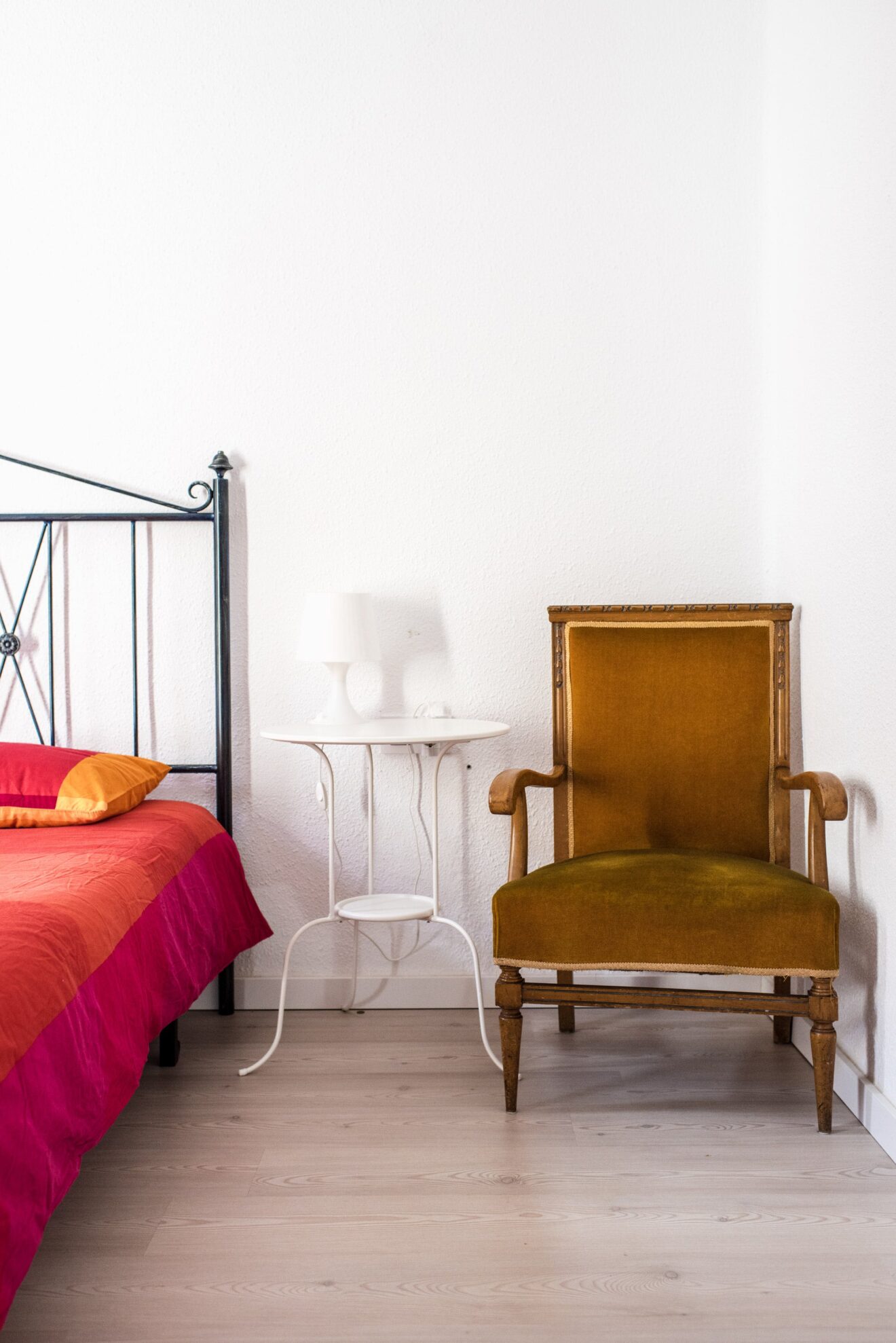
Living in a small space can be challenging, but it doesn’t mean you can’t make it beautiful and functional! Whether you live in a tiny apartment, a compact house, or have a limited budget, there are plenty of ways to maximize your space and make it work for you. In this blog post, we will share some tips and tricks for decorating and organizing small living spaces that will help you create a cozy and functional home that you love.
Use Multifunctional Furniture
When you live in a small space, every inch counts. That’s why it’s essential to choose furniture that serves multiple purposes. Invest in a storage ottoman that can double as a coffee table, a sofa bed for guests, or a dining table that can extend or fold down when not in use. These pieces will help you save space without sacrificing style or comfort.
Go Vertical
Another way to maximize space in small homes is to think vertically. Use wall-mounted shelves, pegboards, or floating cabinets to create additional storage space. You can also install ceiling-mounted racks for hanging pots and pans or bicycles, or high-mounted cabinets for storing seasonal items.
Declutter and Organize
It’s challenging to keep a small space organized, so it’s crucial to eliminate clutter regularly and keep things tidy. Invest in storage solutions like baskets, closet organizers, or under-the-bed containers. Use drawer dividers to keep small items organized, and labels to keep everything easy to find. Finally, keep a “one in, one out” rule, so you don’t accumulate unnecessary items.
Use Mirrors and Lighting
Mirrors can make a small space feel more significant. They reflect light and add depth to the room. Use large mirrors or hang several smaller ones to create the illusion of a larger space. In addition, use lighting to your advantage. Natural light is essential, so keep windows unobstructed. Add ambient lighting like floor lamps, table lamps, or sconces to create a cozy atmosphere.
Add Pops of Color and Personality
Finally, don’t forget to add personality and color to your small space. Use accent walls, bold patterns, or colorful decor to liven up your space. Use plants or artwork to create focal points and add texture and warmth to your home. Personalize your space and make it a reflection of who you are.
Living in a small space doesn’t have to be a challenge. With the right mindset and some creativity, you can make it beautiful and functional. Use multifunctional furniture, go vertical, declutter and organize, use mirrors and lighting to your advantage, and add pops of color and personality to create a cozy and welcoming home. Remember, it’s not about how much space you have, but how well you use it!
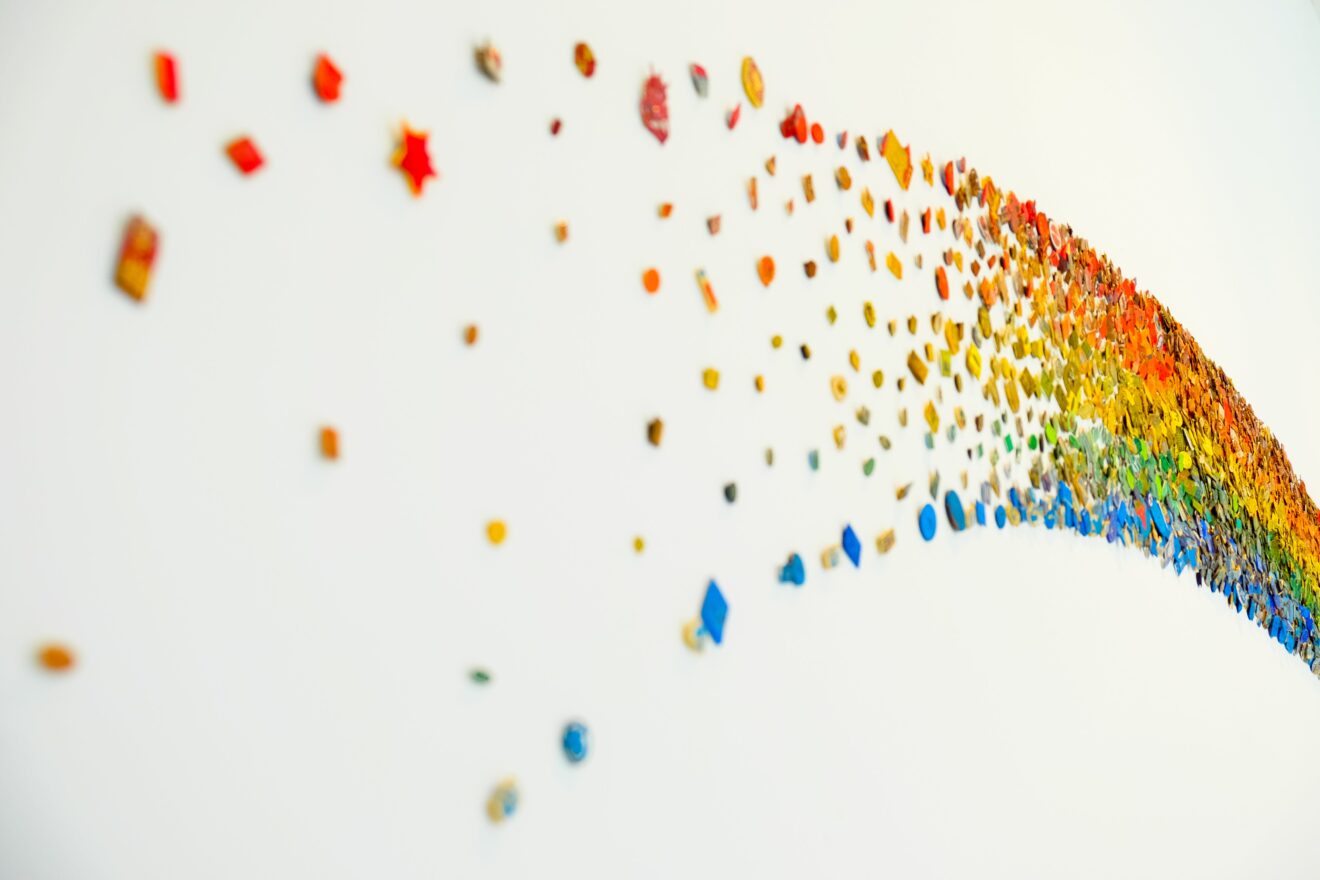
The colors that we use to decorate our homes are more than just mere aesthetics. They have a powerful impact on our mood, behavior, and even our overall well-being. Choosing the right colors for each room of our home is crucial in creating an environment that promotes relaxation, calmness, and creativity. So, in this blog post, we’ll explore the fascinating world of color psychology and learn how to use it effectively in our home decor.
The power of colors in promoting mood
Colors have the ability to affect our emotions in different ways. For example, warm colors such as red, yellow, and orange can create a cozy and inviting atmosphere, while cool colors like blue, purple, and green can promote calmness and relaxation. Choosing the right colors for each room can create an environment that promotes the desired mood, whether it’s a lively and active space or a serene and peaceful one.
Using colors to define the function of a room
Colors can also help define the function of each room in our home. For example, a vibrant red accent wall in the kitchen can stimulate appetite and promote socialization, while a calming blue color in the bedroom can promote restful sleep. Choosing the right colors for each area of our home can help us create a cohesive and functional space that suits our needs.
Balancing colors in home decor
While color psychology can be used to create a mood and define the function of a room, it’s also important to balance colors in home decor. Too much of one color can be overstimulating, while too little can create a bland and uninspiring space. Using a variety of colors and shades in a balanced way can create a visually appealing and harmonious environment.
Color trends in home decor
Color trends in home decor change over time, reflecting the current social and cultural trends. For example, in recent years, we have seen a rise in the popularity of muted pastel colors, reflecting our desire for simplicity and minimalism. However, it’s important to remember that trends are just that – temporary. Choosing colors that we personally love and that make us feel comfortable and happy is always the best choice.
Experimenting with colors in home decor
Finally, don’t be afraid to experiment with colors in home decor. Adding a pop of color through accent pieces or a bright statement wall can transform a space and create a unique and personalized environment. Remember, home decor is an expression of our personality and tastes, and we should always choose colors that make us feel happy and comfortable.
Color psychology in home decor is a fascinating topic that takes into account the impact of colors on our mood and behavior. By using colors effectively in our home decor, we can create an environment that promotes relaxation, calmness, and creativity. Balancing colors in a cohesive way also helps create a visually appealing and harmonious space. Trends in home decor come and go, but our own personal tastes should always guide our choices. Finally, experimenting with colors can create a unique and personalized space that reflects our personality and style. So go ahead, choose colors that make you happy, and create the home of your dreams!
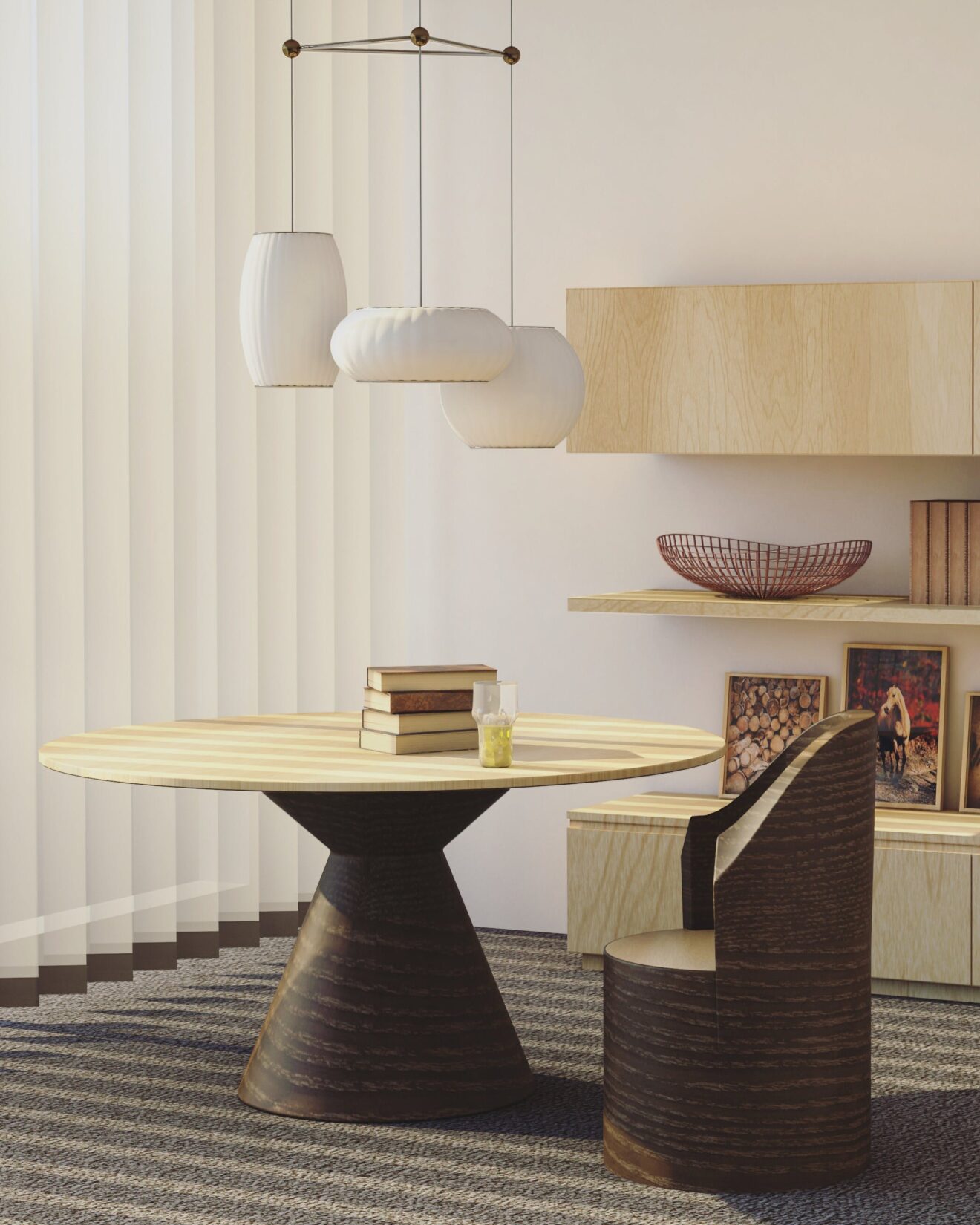
Welcome to our blog! Have you ever walked into someone’s home and felt immediately at ease and comfortable? Have you ever wondered how on earth their home could give off such a feeling? The answer is simple: Feng Shui. Feng Shui is an ancient Chinese practice that promotes balance, harmony, and positive energy flow in the environment. Today, we’re here to share with you the art of Feng Shui and how you can incorporate it into your home decor to create a peaceful and harmonious space that feels like a true sanctuary.
Begin with a Clean Slate
The first step towards incorporating Feng Shui into your home decor is to declutter and clean your space. A cluttered and messy room can hinder positive energy flow, making it a less-than-ideal environment. Begin with a deep clean and remove anything that isn’t necessary or no longer brings you joy. The decluttering process can be daunting, but take it one step at a time and appreciate the feeling of lightness it brings you.
The Bagua Map
The Bagua Map is a Feng Shui tool that helps you identify the energy centers in your living space. Bagua Map is a nine-square grid which is aligned with the compass points. Each segment of the Bagua Map represents a different area of life: love, career, wealth, etc. By aligning the furniture and decor in each area of your home with the corresponding Bagua Map section, you can begin to create a harmonious atmosphere.
Choosing the Right Colors
Colors play a crucial role in Feng Shui. Each color is related to one of the five elements-water, fire, wood, earth, and metal. For example, blue and black attract water energy that brings calmness, while green and brown attract wood energy. You can incorporate these hues in textiles, artwork, and accessories throughout your home to balance the energy in each space.
The Power of Plants
Incorporating plants into your living space can add a breath of fresh air and life to your decor. Plants represent growth, nourishment, and new beginnings and have a calming effect that promotes healing. Bamboo, snake plant, spider plant and money tree are some of the best plants to add in your home according to the Feng Shui principles.
Light it Up
Proper lighting is key to any Feng Shui-inspired home. Natural light is the all-time preferred choice of lighting for Feng Shui. If your home doesn’t have a lot of natural light, supplement it with full-spectrum light bulbs. A variety of light sources, such as table lamps, floor lamps, and sconces, should be incorporated to elevate the energy in your space.
As you can see, there are many ways to incorporate the art of Feng Shui into your home decor. Implementing these principles can promote peace, harmony, and positive energy flow in your living space. By beginning with a clean slate and using the Bagua Map, choosing the right colors, incorporating plants, and proper lighting, you can create an atmosphere that is both visually stunning and spiritually satisfying. Start creating a harmonious environment today and take the first step towards a more peaceful life.